If you love the idea of a home with real character, Old Towne Orange probably already has your attention. But buying a historic home here is not quite the same as buying in a newer neighborhood, and that matters before you write an offer. This guide will help you understand what makes Old Towne special, what rules come with ownership, and what to check before you buy. Let’s dive in.
Why Old Towne Orange Stands Out
Old Towne Orange is centered around the Plaza, also known as the Orange Circle, and it offers a lifestyle that is hard to replicate in Orange County. According to the City of Orange, it contains the largest nationally registered historic district in California. Chapman University describes Old Towne as a compact, one-square-mile area just two blocks from campus.
That setting is a big part of the draw. The City notes that Old Towne includes antique and collectibles dealers, specialty shops, art galleries, restaurants, Plaza Park, and recurring community events such as the Orange International Street Fair, Treats in the Streets, the Tree Lighting Ceremony and Candlelight Choir Procession, and the Saturday Orange Home Grown Farmers and Artisans Market. It is also home to Chapman University, Orange City Hall, and the Orange Public Library & History Center, with access to the Orange Metrolink Station and major freeways.
For you as a buyer, that means Old Towne functions as a true walkable downtown, not just a neighborhood with older homes. If you want charm, convenience, and a preserved setting, it checks a lot of boxes.
What Historic Status Means
When you buy in Old Towne Orange, you are buying within an active preservation framework. The district’s period of significance is 1888 to 1940, which means the area is valued not only for individual homes but also for the way the neighborhood fits together historically.
The City of Orange historic district information explains that Old Towne includes three overlapping historic districts: the Plaza Historic District, the Local Old Towne Historic District, and the Old Towne Orange Historic District listed in the National Register in 1997. In practical terms, exterior changes are subject to review, and that can affect everything from windows to fencing to additions.
This is often the biggest mindset shift for buyers. In many neighborhoods, you can replace features based mostly on your budget and taste. In Old Towne, you also need to think about district standards, compatibility, and city review.
What Homes Look Like Here
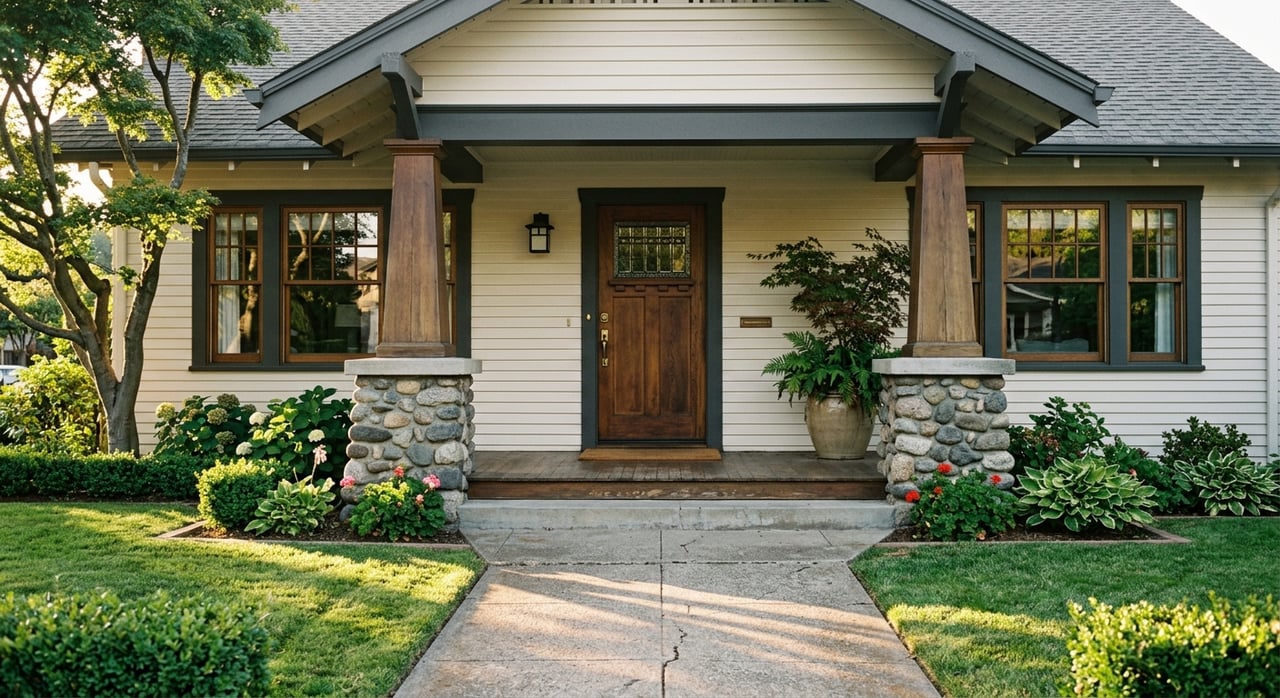
One of the best things about Old Towne is the variety. The 2010 Historic Resources Inventory update shows that the district includes large numbers of Bungalow, Craftsman Bungalow, Hip Roof Cottage, Craftsman, Victorian, Mediterranean Revival, Spanish Colonial Revival, and Classical Revival homes.
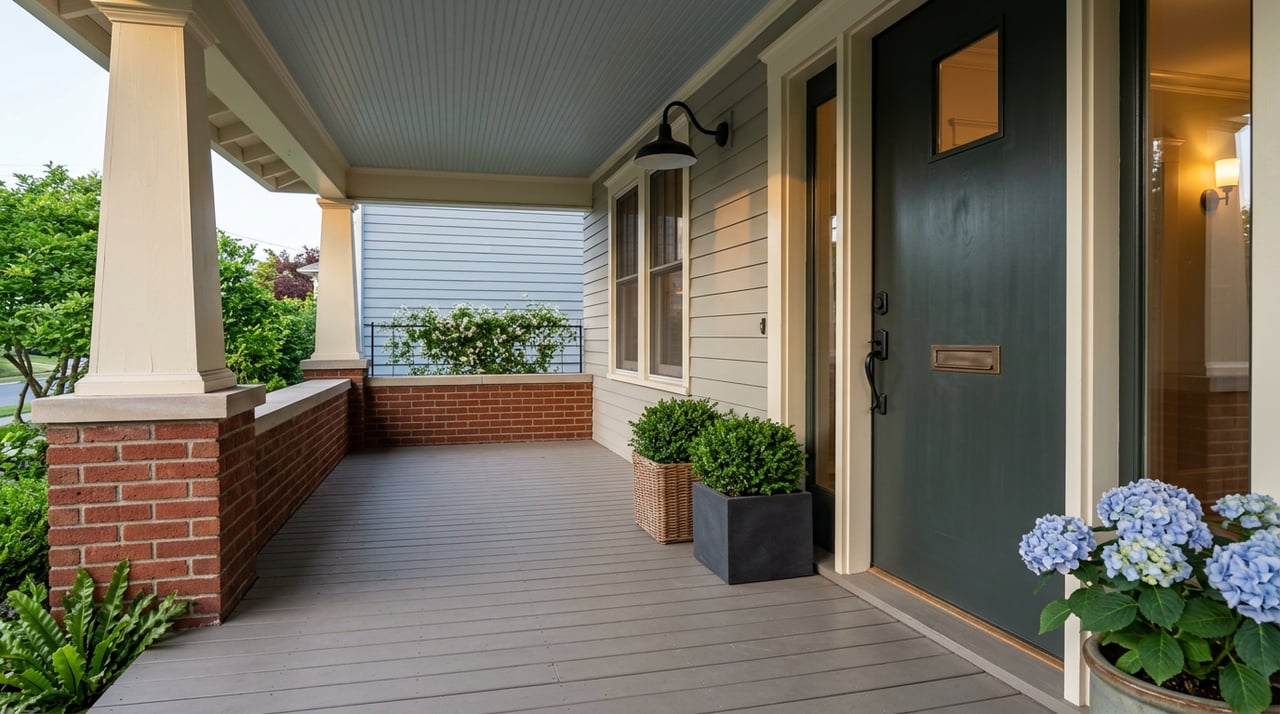
That means you should not expect one uniform architectural look. Instead, you will find a broad mix of early-20th-century homes with details like front porches, street-facing facades, historic roof forms, and original accessory structures.
The City’s preservation materials also note that many properties still retain strong architectural integrity with only minor alterations. For buyers, that is a major part of the appeal. You are often looking at homes with lasting design details that would be expensive or impossible to recreate today.
Renovation Rules to Know Early
If you are thinking, "I can update things after closing," pause and do your homework first. The City says any exterior change in Old Towne must comply with the Historic Preservation Design Standards, and many projects require either Minor Design Review or review by the Design Review Committee.
According to the City’s preservation guidance, common Minor Design Review items include:
- Window and door repair
- Re-roofing
- Solar panels
- Fences and walls
- Hardscape
- Siding repair
- Removal of non-historic features
- Deck or patio covers not visible from the street
- Mechanical equipment
Larger projects such as additions, roofline changes, demolition, relocation, and new structures over 120 square feet commonly go to the Design Review Committee. Even a modest project may involve more planning than it would elsewhere.
Features You May Need to Preserve
Some elements come up again and again in Old Towne purchases because they are closely tied to historic character. The City’s design standards make clear that roofs, windows, doors, porches, and accessory structures are not small details. They are often central to whether a home still reads as historic from the street.
Here are some of the biggest takeaways for buyers:
- Historic roofs should be preserved and maintained, and replacement roofing should match the original in scale, texture, and color.
- Street-facing roof changes, dormers, and skylights are generally limited.
- Historic windows and doors should be repaired rather than replaced whenever possible.
- If replacement is necessary, new materials and dimensions should match the original.
- Vinyl windows are prohibited in the historic district.
- Front porches visible from the street generally should not be enclosed.
The City also notes in its design standards that solar panels are allowed, but they should be placed where they are least visible from the street, usually on rear roof planes or detached garages, and they must stay parallel to the roof plane without changing rooflines.
Additions, Garages, and Outdoor Changes
A lot of buyers focus on the main house and forget to look closely at detached garages, carriage houses, sheds, fencing, and landscaping. In Old Towne, those features can matter more than you think.
The City says many properties include accessory structures that may date to the district’s period of significance. If those structures retain historic features, they may be character-defining and should be preserved when feasible. That is important if you are considering converting a garage, rebuilding a shed, or reworking the rear yard.
Front-yard changes also come with limits. The City’s preservation guidance says front fencing should generally be low and transparent, and materials like vinyl, chain-link, and plastic fencing are prohibited. Artificial turf is also prohibited in street-visible front yards, side yards, and parkways.
If you want to expand, there is still room for flexibility. The standards allow additions and infill, but they favor compatibility over imitation. New work should remain compatible in scale, massing, materials, and details while still being distinguishable from the original structure.
Mills Act Questions to Ask
Some buyers hear "historic home" and immediately assume there will be a property-tax benefit. That is not something you should count on without verification.
The City’s property tax incentives page says it is not currently accepting Mills Act applications while the program is under review. The City also notes that existing Mills Act contracts transfer with the property because they are recorded against it.
The takeaway is simple. If a seller says the home has Mills Act status, confirm the details. If the property does not already have a recorded contract, do not build future savings into your budget unless you have verified current program availability.
Insurance and Earthquake Planning
Historic homes often require a different insurance conversation than newer homes. The California Department of Insurance says the cost to rebuild a home may differ from its market value, so you should ask for replacement-cost estimates instead of assuming the purchase price tells the whole story.
Earthquake coverage is another major issue in California. The Department of Insurance notes that standard homeowners policies may cover fire damage caused by or following an earthquake, but not earthquake shaking itself. That is handled separately.
The California Earthquake Authority says premiums can depend on factors such as home age, proximity to fault lines, soil type, foundation type, construction type, and roof type. It also notes that older houses that have been seismically retrofitted may qualify for discounts of up to 25%, and policies include building-code upgrade coverage with options for higher limits.
For you, that means insurance shopping should happen early, not after every other decision is made. On an older home, replacement cost, earthquake coverage, and code-upgrade coverage can all affect your real monthly budget.
Older-Home Risks to Inspect Closely
Old Towne homes can be beautiful, but older construction deserves extra scrutiny. The California Department of Insurance says older homes, masonry homes, and homes with more than one story may be more likely to have earthquake damage.
That is why you should ask direct questions about:
- Foundation bolting
- Seismic bracing
- Prior retrofit work
- Electrical updates
- Plumbing updates
- Roof age and repairs
Lead paint is also a practical issue. The EPA says 87% of homes built before 1940 have some lead-based paint and recommends assuming pre-1978 homes may contain lead unless tested. The EPA also requires lead-safe certified contractors for renovation, repair, or painting projects that disturb lead paint in pre-1978 homes.
If you are planning cosmetic work, that matters right away. Even a simple paint or repair project may need testing and lead-safe procedures.
Buyer Checklist for Old Towne Orange
Before you move forward on a historic home in Old Towne, make sure your due diligence goes beyond a standard purchase checklist.
Use this list as a starting point:
- Verify whether the home is contributing or non-contributing using the City’s Historic Preservation Map.
- Ask for permits and records for prior work on roofs, windows, porches, additions, solar, and garage changes.
- Budget for repair-first approaches on windows, doors, roofs, and porches rather than assuming full replacement will be approved.
- Get insurance quotes that reflect replacement cost, earthquake coverage, and code-upgrade needs.
- If the home predates 1978, plan for lead testing and lead-safe contractors before renovation work begins.
This is where local guidance can make a big difference. A historic home purchase often comes down to understanding the property itself, the city review process, and the real cost of ownership after closing.
If you are thinking about buying in Old Towne Orange and want clear, practical guidance on what to watch for, Kevin Kott can help you evaluate the home, the neighborhood, and the next steps with confidence.
FAQs
What makes Old Towne Orange historic for homebuyers?
- Old Towne Orange includes the largest nationally registered historic district in California, according to the City of Orange, with a period of significance from 1888 to 1940.
What exterior changes require review in Old Towne Orange?
- Many exterior changes require city review, including items such as re-roofing, window and door work, fences, solar panels, siding repair, additions, and some garage or accessory structure projects.
What architectural styles are common in Old Towne Orange homes?
- Buyers will find a mix of Bungalow, Craftsman Bungalow, Hip Roof Cottage, Craftsman, Victorian, Mediterranean Revival, Spanish Colonial Revival, and Classical Revival homes.
What should buyers know about insurance for historic homes in Orange?
- You should ask for replacement-cost estimates, review earthquake coverage separately, and consider code-upgrade coverage because older homes may have different rebuilding and retrofit needs.
What should buyers ask about lead paint in Old Towne Orange homes?
- If the home was built before 1978, you should assume lead-based paint may be present unless testing shows otherwise and plan to use lead-safe certified contractors for qualifying renovation work.