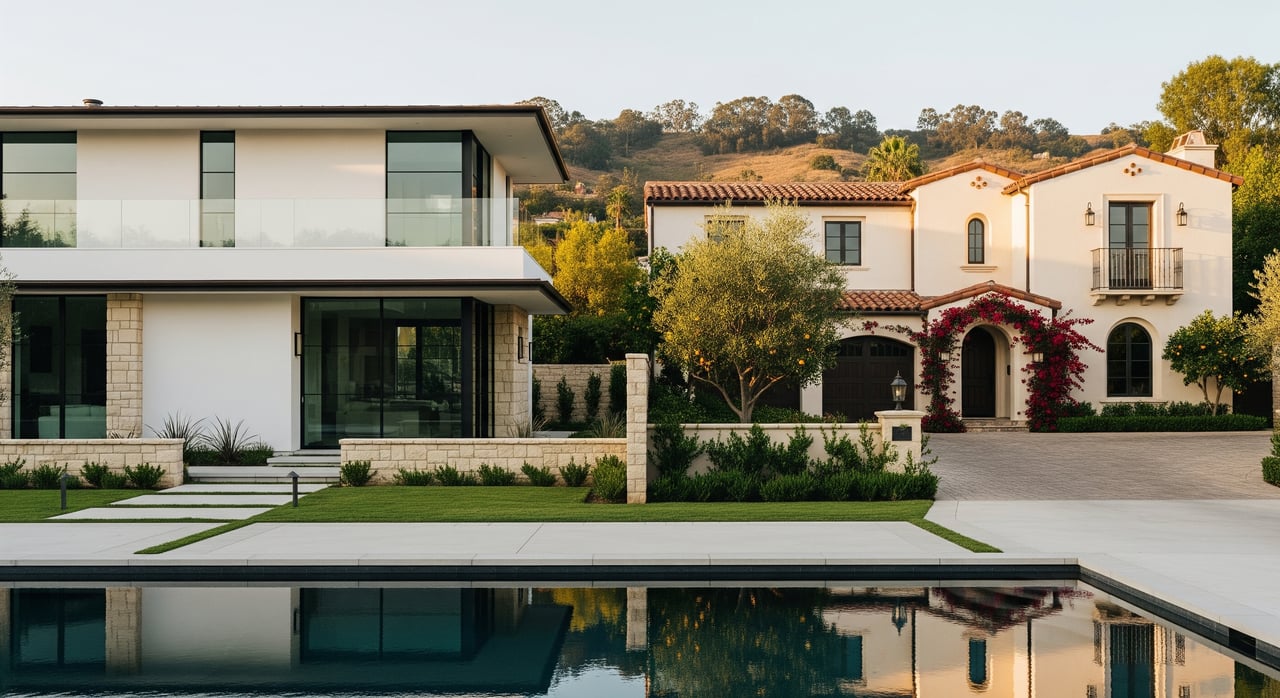
Trying to choose between a brand-new home and a character-filled resale in Yorba Linda? You are not alone. Many buyers here weigh convenience, energy savings, and warranties against larger lots, mature neighborhoods, and customization potential. This guide gives you a clear, local overview so you can line up your priorities, understand costs like HOAs and Mello Roos, and move forward with confidence. Let’s dive in.
New construction at a glance
New homes in Yorba Linda often sit in planned communities with modern layouts and community amenities. You get current building standards, energy-efficient systems, and options to select finishes if you buy early in the build. Many new communities include HOAs, and some carry Community Facilities District taxes, also known as Mello Roos. If move-in ready and low maintenance top your list, new construction can be a strong fit.
Resale homes at a glance
Resale homes offer more variety in style and lot size, especially in older tracts from the post-war era through the 1990s. You may find larger yards, mature trees, and fewer HOAs in many established neighborhoods. Some areas include estate and equestrian-zoned properties that are hard to replicate today. If you value space, outdoor living, and neighborhood character, resale often delivers.
Head-to-head: what matters most
Lot size and neighborhood feel
- New construction tends to come on smaller lots, with uniform streetscapes and shared parks.
- Resale pockets often feature larger parcels, unique layouts, and mature landscaping, including estate or horse properties in parts of Yorba Linda.
- If a pool, play space, or future ADU is important, resale areas may offer better land.
Finishes and customization
- New homes provide modern finishes, open plans, and current systems with limited customization if purchased early.
- Resale homes may need updates, yet you can renovate to your taste and often gain equity by improving kitchens, baths, and systems.
- Mature landscaping in resale properties adds instant curb appeal that new builds cannot match on day one.
Energy codes and future-proofing
- New construction follows California Title 24 energy standards and recent solar requirements for most single-family builds, which can lower operating costs and boost appeal.
- Many new homes are EV-ready and better insulated, which supports comfort and efficiency.
- Older homes vary in performance, but you can retrofit with solar, insulation, and EV wiring over time.
HOAs, Mello Roos, and rules
- New communities are more likely to have HOAs with monthly dues and rules for upkeep, parking, and design. Some also include Mello Roos to fund infrastructure.
- Established HOAs in resale areas have histories, budgets, and reserve studies you can review. Many older tracts have no HOA at all.
- Always request HOA documents and ask for the most recent budget and reserve study. Look for fee stability and any special assessments.
Price, incentives, and negotiation
- Builders may offer closing cost help, rate buydowns, or upgrade credits depending on market conditions. Pricing is often less flexible when demand is high.
- Resale pricing is negotiable. You can often win concessions or repair credits based on inspections and comps.
- Appraisals for a new tract rely on recent sales in the same development, which can affect flexibility for unique models.
Warranties, inspections, and defects
- New builds typically include a warranty structure that covers workmanship, systems, and major structural items on a defined timeline. Confirm coverage and claim steps in writing.
- Even with new homes, get independent inspections and a punch-list walkthrough before closing.
- Resale homes require full inspections and California disclosures such as the Transfer Disclosure Statement and Natural Hazard Disclosure. Plan for potential repairs.
Timing and move-in
- Buying a completed spec home can be fast. Purchasing pre-construction may require months or longer.
- Typical resale escrows run 30 to 45 days, depending on financing and contingencies.
- If timing is tight, look for inventory homes or move-in ready resale options.
Monthly cost check: taxes and fees
- Under Proposition 13, California property taxes start at roughly 1% of assessed value, plus any voter-approved assessments. The assessed value resets to your purchase price when you buy.
- New construction often triggers supplemental taxes and may include Mello Roos, which can add several hundred to several thousand dollars per year.
- Resale homes can be within or outside HOAs. Older neighborhoods may have no HOA, which reduces monthly carrying costs.
- Always request the current tax bill, check for Mello Roos or special assessments, and compare HOA dues side by side.
Resale outlook in Yorba Linda
Resale value here is often driven by lot size, usable outdoor space, and thoughtful updates. Location within the city and proximity to shopping, freeways, parks, and schools also play a role. Strong maintenance and renovations can lift both price and speed to sell. On the risk side, higher HOA dues or Mello Roos can deter some buyers, and hillside hazard or insurance concerns can affect demand. The bottom line is that neighborhood micro-location and property condition often matter more than the home’s age.
Decision guide: which path fits you
- Prioritize yard, space, and character: lean resale, target older tracts with larger lots, and budget for updates.
- Want low maintenance, energy efficiency, and a modern layout: lean new construction or recently built resale, verify warranty terms and Title 24 features.
- Sensitive to monthly costs: compare tax bills, HOA dues, and Mello Roos in writing before you decide.
- Need to move quickly: consider spec homes or move-in ready resales.
- Want to personalize finishes: buy early in a new build phase or plan a resale renovation.
Ask these questions before you commit
- Is the parcel subject to Mello Roos or other special taxes? Can I see the current tax bill?
- What are the HOA dues and rules, and what do the most recent budget and reserve study show?
- What warranties come with the new home, and how are claims handled?
- What are the most relevant comparable sales for both new and resale nearby in the last 3 to 6 months?
- Are there known local hazards, including wildfire risk, that could impact insurance or costs?
- What incentives are local builders offering right now, and how do they compare to possible seller credits on resale?
Due diligence checklist
Use this list to keep your purchase on track:
Title and taxes
- Current tax bill and any Mello Roos or CFD amounts.
- Any liens or pending assessments.
HOAs
- CC&Rs, bylaws, budget, reserve study, and meeting minutes for the last 12 to 24 months.
- HOA insurance certificate and management contact.
Disclosures and permits
- For resale: Transfer Disclosure Statement and Natural Hazard Disclosure, plus permit history for any renovations.
- For new: building permits, approved plans, and the certificate of occupancy.
Warranties and service
- Builder warranty coverage, timelines, and claim process. Note any third-party warranty.
Inspections
- General home inspection, pest or termite report, and additional inspections for roof, sewer, or structure as needed.
Energy and systems
- Solar ownership versus lease, HVAC and water heater condition, and EV-readiness.
Insurance and hazards
- Review availability and cost of homeowners and wildfire coverage. Check local guidance on fire severity.
Schools and community
- Verify current school boundaries with the district, since boundaries can change.
Neighborhood fit
- Visit at different times of day, check proximity to freeways and noise sources, and review city plans for nearby development.
How Kevin supports your decision
You deserve a clear picture of tradeoffs, costs, and long-term value. With deep local knowledge of Anaheim and nearby markets like Yorba Linda, Kevin helps you compare neighborhoods, understand tax and HOA impacts, and weigh renovation versus new build options. You get hands-on guidance, professional marketing and transaction management, and calm, clear communication from start to finish.
Ready to compare specific homes side by side, including taxes, HOA dues, and likely resale value? Reach out to Kevin Kott for a local consultation or to get your free home valuation.
FAQs
What should I know about Mello Roos in Yorba Linda?
- Mello Roos is more common in newer planned communities and adds a separate line item to your annual tax bill, so request the current bill and factor the amount into your monthly budget.
Are new Yorba Linda homes more energy efficient than resales?
- New builds follow California Title 24 standards and recent solar requirements for most single-family homes, which generally improves efficiency and can reduce operating costs.
How fast can I close on new construction versus resale?
- Spec or completed new homes can close quickly, while pre-construction may take months; most resale escrows close in about 30 to 45 days depending on financing and contingencies.
Do most Yorba Linda homes have HOAs, and what should I review?
- Many newer communities have HOAs with dues and rules, while many older tracts do not; always review CC&Rs, budgets, reserve studies, and recent meeting minutes for fee stability and upcoming projects.
What impacts resale value more in Yorba Linda: age or location?
- Location, lot size, and condition usually outweigh age; updated systems, curb appeal, and usable outdoor space often drive stronger pricing and faster sales.
Do I need an inspection on a brand-new home?
- Yes, independent inspections help you confirm quality, build a punch list, and document any issues before you close, even when a builder warranty is included.